Corporate Event Planning: A Complete Guide
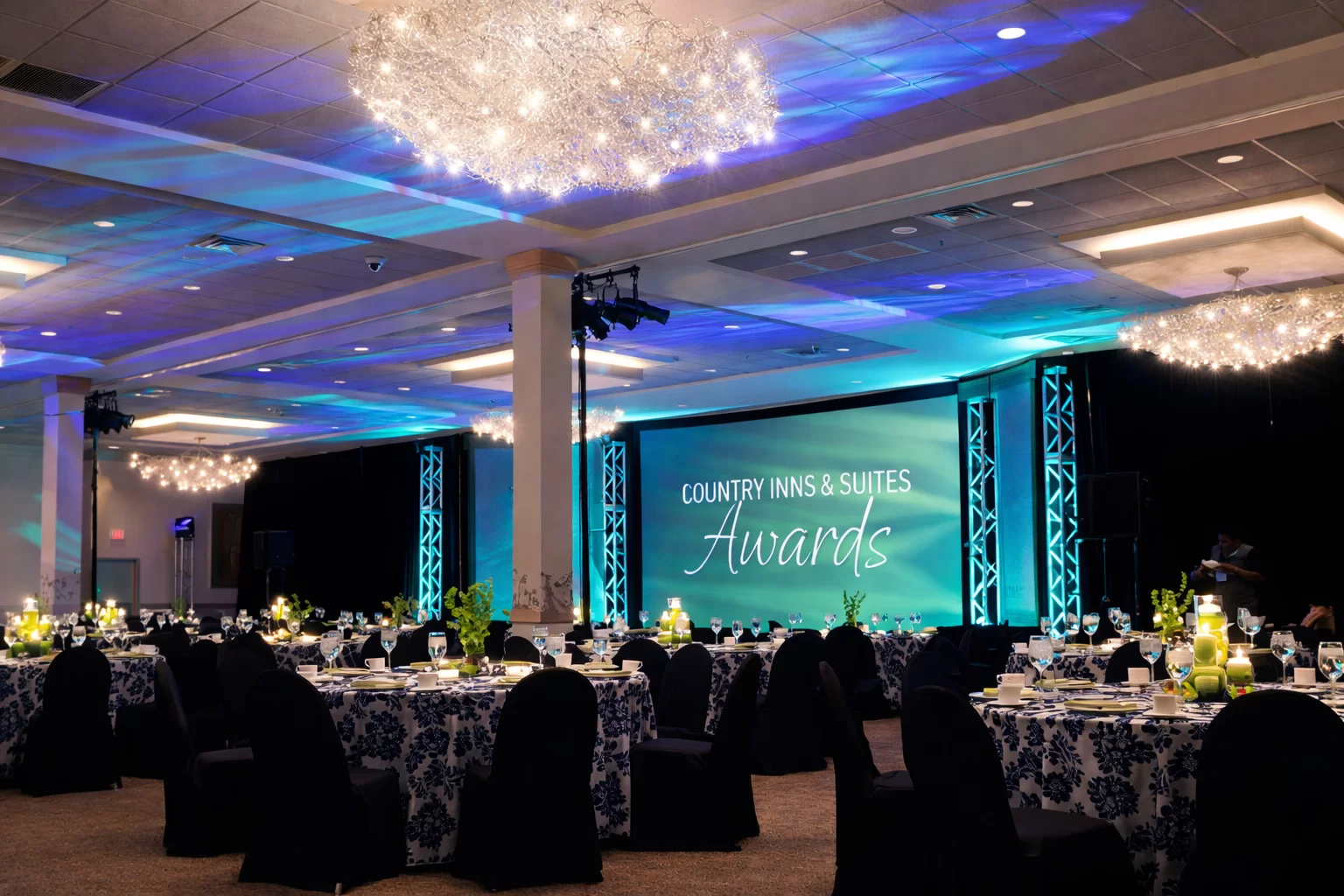
Corporate Event Planning: A Complete Guide
Corporate events play a vital role in building brand identity, strengthening professional relationships, motivating employees, and achieving business goals. Whether it’s a conference, seminar, product launch, annual meeting, or team-building event, successful corporate event planning requires strategic thinking, clear objectives, and precise execution. This complete guide walks you through every essential step to plan a seamless and impactful corporate event.
1. Define the Purpose and Objectives
The foundation of any successful corporate event is a clearly defined purpose. Ask yourself what the event aims to achieve—brand awareness, lead generation, employee engagement, client appreciation, or knowledge sharing. Clear objectives help shape every decision, from venue selection to event format, speakers, and success metrics.
2. Set a Realistic Budget
Budget planning is critical in corporate events, where costs can escalate quickly. Outline all expected expenses, including venue, catering, audio-visual equipment, décor, marketing, entertainment, logistics, and contingency funds. A well-structured budget ensures financial control while allowing flexibility for last-minute needs without compromising quality.
3. Choose the Right Venue and Date
Selecting the right venue sets the tone for your event. Consider location, capacity, accessibility, parking, and technical infrastructure. The venue should align with your event’s purpose and audience expectations. Equally important is choosing a suitable date—avoid holidays, peak business periods, or conflicts with major industry events that could affect attendance.
4. Build a Strong Event Timeline
A detailed event timeline keeps planning organized and stress-free. Break tasks into phases such as pre-event planning, execution, and post-event follow-up. Assign deadlines for vendor bookings, invitations, marketing activities, rehearsals, and setup. On the event day, a minute-by-minute schedule ensures smooth transitions and timely execution.
5. Focus on Content and Experience
Corporate events are driven by value. Ensure that speakers, presentations, panels, or workshops are relevant, engaging, and aligned with the audience’s interests. Incorporate interactive elements such as Q&A sessions, networking breaks, live polls, or panel discussions to maintain engagement and encourage participation.
6. Manage Vendors and Technology
Reliable vendors are key to flawless execution. This includes caterers, decorators, audio-visual teams, event hosts, and technical support. Confirm all requirements in advance and conduct technical rehearsals, especially for presentations, live streaming, or hybrid events. Backup plans for power, internet, and equipment are essential to avoid disruptions.
7. Branding and Professional Décor
Corporate branding should be subtle yet impactful. Use brand colors, logos, and messaging consistently across stage backdrops, signage, digital screens, and event materials. Décor should remain professional and uncluttered, enhancing the environment without distracting from the event’s purpose.
8. Post-Event Evaluation and Follow-Up
The event doesn’t end when guests leave. Gather feedback through surveys, analyze attendance and engagement data, and measure outcomes against your initial objectives. Follow up with attendees using thank-you emails, shared content, or post-event reports to reinforce relationships and maximize long-term value.
Final Thoughts
Corporate event planning is a blend of strategy, creativity, and precision. When executed thoughtfully, a corporate event becomes more than just a gathering—it becomes a powerful business tool. By focusing on clear goals, structured planning, and meaningful experiences, you can deliver corporate events that are professional, impactful, and memorable.